
When Business Relationships Break Down: Navigating Commercial Litigation in California
Not every dispute can be resolved at the negotiating table. When litigation becomes unavoidable, understanding the process and your options is critical to protecting your business.
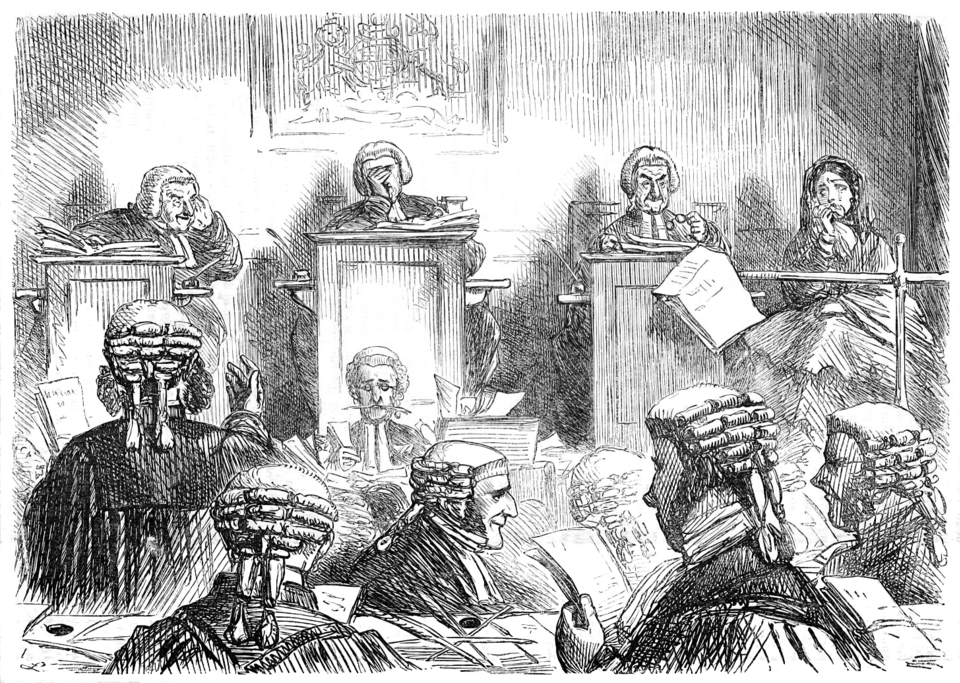
What Does the Business Litigation Process Look Like in California?
Business litigation is the process of resolving commercial disputes through the court system when negotiation, mediation, or other alternative methods have failed to produce a resolution. In an ideal world, every business disagreement would end with a handshake and a revised contract. I always counsel my clients to pursue negotiation first — it is faster, cheaper, and preserves relationships that may still have value. But I have practiced long enough to know that some disputes simply cannot be resolved through conversation. When a business partner has drained the company account, when a vendor has delivered nothing after accepting full payment, when a competitor has stolen proprietary information — these are situations where polite letters and mediation sessions hit a wall. At that point, litigation is not just an option. It is the only mechanism with the power to compel the other side to answer for what they have done.
The decision to file a lawsuit should never be made lightly. It is expensive, time-consuming, and emotionally draining. But it should also never be delayed out of fear or misplaced optimism. In California, statutes of limitations are unforgiving. A breach of written contract claim must be filed within four years under Code of Civil Procedure Section 337. For oral contracts, you have only two years. Miss these deadlines, and you lose your right to sue — permanently, regardless of how strong your case may be.
Alternative Dispute Resolution: The Detour Worth Considering
Before diving into the litigation process itself, it is worth understanding the alternatives. California courts actively encourage alternative dispute resolution, and many commercial contracts contain mandatory arbitration or mediation clauses that must be honored before a lawsuit can proceed.
Mediation involves a neutral third party who facilitates negotiations between the disputing parties. The mediator has no power to impose a decision — their role is to help both sides find common ground. I have seen mediations resolve six-figure disputes in a single afternoon, saving both parties tens of thousands of dollars in legal fees. But mediation only works when both sides are negotiating in good faith. When one party is stalling, hiding assets, or simply refusing to engage, mediation becomes an expensive formality.
Arbitration is a different animal entirely. An arbitrator hears evidence and arguments much like a judge, and their decision is typically binding and very difficult to appeal. Arbitration can be faster and more private than litigation, but it is not always cheaper, and the limited appeal rights mean that a bad arbitration decision can be nearly impossible to overturn. I advise clients to think carefully before agreeing to binding arbitration clauses in their contracts, because you are giving up significant procedural protections in exchange for speed and privacy.
The Lifecycle of a Business Lawsuit in California
For clients who have never been through litigation, the process can feel overwhelming. Understanding the stages helps demystify it and allows you to make better strategic decisions along the way.
It begins with the complaint. This is the document that formally initiates the lawsuit, filed with the appropriate California Superior Court. The complaint identifies the parties, states the factual allegations, and specifies the legal claims — breach of contract, fraud, breach of fiduciary duty, or whatever theories apply. The defendant then has 30 days to file a response, which may include a demurrer (a motion arguing that the complaint fails to state a valid legal claim) or an answer that addresses each allegation.
Next comes discovery, which is often the longest and most expensive phase. Discovery is the formal process by which each side obtains information from the other. This includes written interrogatories, requests for production of documents, requests for admission, and depositions — sworn testimony taken outside of court. In complex business cases, discovery can generate thousands of pages of documents and take a year or more to complete. It is also where cases are often won or lost, because the evidence uncovered during discovery shapes every strategic decision that follows.
After discovery, the parties typically file motions. The most significant is the motion for summary judgment, governed by Code of Civil Procedure Section 437c. This motion asks the court to decide the case — or specific issues within it — without a trial, on the grounds that there are no genuine disputes of material fact. If granted, it can end the case entirely. If denied, the case proceeds to trial.
Trial in a California civil case can be before a judge alone (a bench trial) or before a jury. Business litigation cases that reach trial are the exception rather than the rule — the vast majority settle during discovery or after motions are resolved, once both sides have a clearer picture of the evidence and the likely outcome.
How Much Does Business Litigation Cost in California?
I believe in being transparent with my clients about what litigation actually costs, both in money and in time. A straightforward breach of contract case in California Superior Court can easily cost $50,000 to $150,000 in attorney fees through trial, and complex commercial disputes involving multiple parties, expert witnesses, and extensive discovery can exceed that substantially. These figures are not meant to discourage — they are meant to ensure that the decision to litigate is made with clear eyes.
Timeline is equally important. From filing a complaint to reaching trial, a business litigation case in California typically takes 18 to 24 months, and cases in busier courts like Los Angeles or San Francisco can take longer. Factor in potential appeals, and a dispute that began with a broken promise can consume three to four years before a final resolution is reached.
This is precisely why settlement negotiations continue throughout the litigation process. A reasonable settlement at any stage is often preferable to the uncertainty and expense of trial, and experienced litigators know how to use the discovery process and motion practice to create leverage that drives favorable settlements.
What Are Common Causes of Business Litigation?
Among the most contentious business lawsuits I handle are those involving breach of fiduciary duty. Partners, corporate officers, directors, and managing members of LLCs all owe fiduciary duties to the entity and to their co-owners. Under California Corporations Code Section 16404, partners owe duties of loyalty and care to the partnership and to each other. This means they must act in the partnership's best interest, avoid self-dealing, and disclose material information.
When these duties are violated — when a partner secretly diverts business opportunities, takes excessive compensation, or makes decisions that benefit themselves at the expense of the business — the resulting litigation is almost always bitter and personal. These are not disputes between strangers. They are disputes between people who once trusted each other enough to build a business together, and that broken trust makes settlement more difficult and emotions more volatile.
The remedies available in fiduciary duty cases can be substantial. Courts can award compensatory damages for the financial harm caused, disgorgement of profits the breaching party obtained through their misconduct, and in egregious cases, punitive damages. The court can also order an accounting, which is a formal judicial determination of what each party is owed, and can appoint a receiver to manage the business during the dispute.
Strategic Considerations
Litigation is not just a legal process — it is a strategic one. The decision of when to file, what claims to assert, how aggressively to pursue discovery, and when to offer or accept settlement terms are all judgment calls that depend on the specific facts, the strength of your evidence, the opposing party's resources and resolve, and the practical realities of the court in which the case will be heard.
I tell every client the same thing at the outset: define your objective before you file. Are you trying to recover a specific sum of money? Enforce a contract provision? Remove a partner from the business? Protect intellectual property? The answer shapes every decision that follows, from the claims in the complaint to the settlement demands to the trial strategy. Litigation without a clear objective is litigation that costs more, takes longer, and delivers less than it should.
The businesses that navigate litigation most successfully are those that approach it with discipline, realistic expectations, and a willingness to make hard decisions based on evidence rather than emotion. That is the standard I hold for every case I take on.
Frequently Asked Questions About Business Litigation
How long does business litigation take in California?
Business litigation in California typically takes between one and three years from filing to trial, though timelines vary significantly based on the complexity of the case, the court's calendar, and the parties' willingness to reach settlement. After the complaint is filed and the defendant responds, the discovery phase — where both sides exchange documents, take depositions, and gather evidence — usually lasts six months to a year or more in complex commercial disputes. Following discovery, parties may file dispositive motions such as motions for summary judgment, which can add several months. If the case proceeds to trial, the trial itself may last from a few days to several weeks depending on the issues involved. Most California superior courts have significant backlogs, and securing a trial date often requires patience. However, many business disputes settle before trial — studies suggest that over 90 percent of civil cases in California reach settlement. Alternative dispute resolution through mediation or arbitration can significantly shorten the timeline, often resolving disputes in months rather than years.
What is the discovery process in business litigation?
The discovery process in California business litigation is the formal procedure through which both parties gather information and evidence from each other and from third parties before trial. California's Civil Discovery Act, codified in Code of Civil Procedure Sections 2016.010 through 2036.050, provides several discovery tools. Interrogatories are written questions that the opposing party must answer under oath within 30 days. Requests for production of documents compel the other side to provide relevant business records, contracts, emails, financial statements, and other documents. Requests for admission ask the opposing party to admit or deny specific facts, narrowing the issues for trial. Depositions involve live, sworn testimony where attorneys question witnesses and parties, with a court reporter creating a transcript. Subpoenas can compel third parties such as banks, accountants, or business partners to produce documents or testify. Discovery disputes are common in business litigation, and courts can impose sanctions for failure to comply with discovery obligations, including monetary penalties and, in extreme cases, dismissal or default judgment.
Can business disputes be resolved without going to trial in California?
Yes, the vast majority of business disputes in California are resolved without going to trial through various alternative dispute resolution methods. Mediation is the most common approach — a neutral mediator facilitates settlement discussions between the parties, and studies show that mediation resolves disputes in approximately 75 to 85 percent of cases where both parties participate in good faith. Arbitration provides a binding resolution by a neutral arbitrator who hears evidence and issues a final award enforceable as a court judgment. Many business contracts include mandatory arbitration clauses that require disputes to be resolved through arbitration rather than litigation. Settlement negotiations can occur at any point during litigation, and California courts actively encourage settlement through mandatory settlement conferences. Early neutral evaluation, where a neutral expert assesses the merits of each side's case and provides a non-binding evaluation, can help parties understand the strengths and weaknesses of their positions. Collaborative law, judicial reference, and mini-trials are additional options available under California law for resolving business disputes efficiently.
References
California Code of Civil Procedure Section 337 (Statute of Limitations — Written Contracts). California Legislature
California Code of Civil Procedure Section 437c (Summary Judgment). California Legislature
California Corporations Code Section 16404 (Partner Duties). California Legislature
California Rules of Court. California Courts