
Construction Defects in California: Builder Liability and Homeowner Remedies
Defective construction can compromise your safety and your investment. California law provides homeowners with strong remedies against builders, contractors, and developers — but the process requires careful navigation.
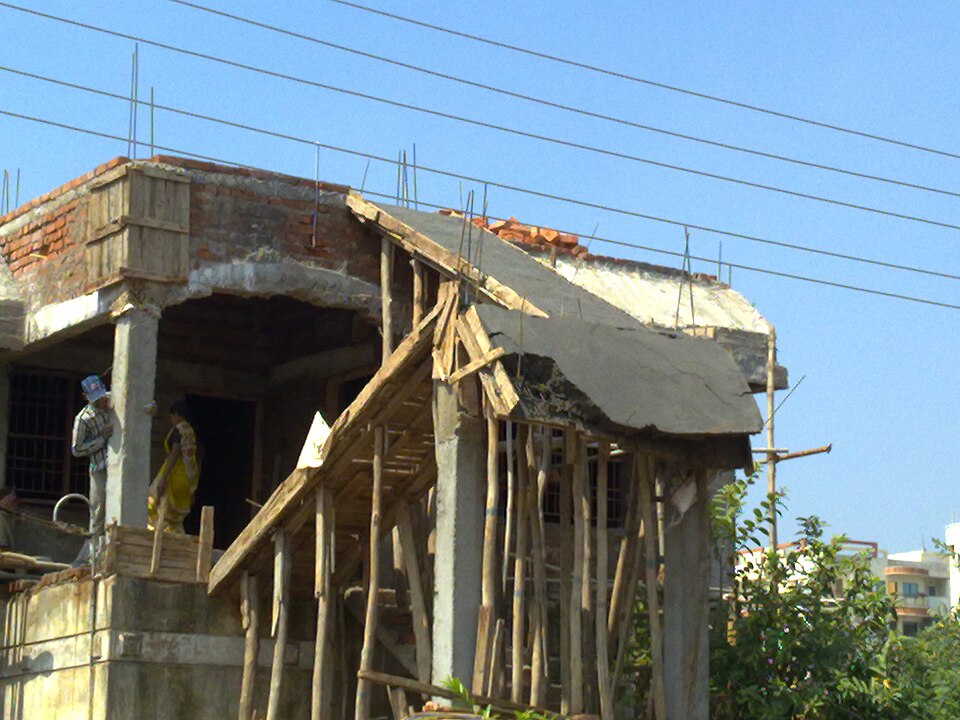
What Should You Do When Your Home Has Construction Defects?
A construction defect is a deficiency in the design, materials, or workmanship of a building that results in damage to the structure or fails to meet applicable building codes and standards. Few experiences are more disheartening than discovering that your newly built or recently renovated home has serious construction defects. The roof leaks, the foundation cracks, the plumbing fails, or the drainage system sends water into your living space instead of away from it. These are not minor inconveniences — they are failures that can render a home uninhabitable and cost tens or hundreds of thousands of dollars to repair.
I have represented homeowners who purchased properties from reputable builders only to discover, sometimes years after moving in, that the construction fell far below acceptable standards. The common thread in these cases is that the defects were not visible during a standard home inspection. They were hidden behind walls, beneath floors, and under landscaping — ticking time bombs that only revealed themselves when the damage became impossible to ignore.
What Qualifies as a Construction Defect in California?
California's Right to Repair Act, codified in Civil Code Sections 895-945.5 (commonly known as SB 800), defines specific construction standards that builders must meet. The law covers virtually every component of residential construction: foundations, structural elements, roofing, plumbing, electrical systems, exterior walls, windows, doors, drainage, and soil-related issues.
A defect exists when any of these components fails to perform as required by the standards established in the Act. This is a significant departure from the common law approach, which required homeowners to prove negligence. Under SB 800, the focus is on whether the construction meets the defined standards, not on whether the builder was careless. If the roof leaks, that is a violation of Section 896(a), regardless of how careful the roofer was during installation.
What Is the Pre-Litigation Process for Construction Defect Claims?
Before a homeowner can file a construction defect lawsuit against a builder, SB 800 requires a mandatory pre-litigation process. The homeowner must provide the builder with written notice of the claimed defects, and the builder has the right to inspect the property, document the conditions, and offer to repair the defects or settle the claim.
This process has specific timelines. The builder must acknowledge the claim within 14 days, complete an inspection within 14 days after that, and provide a written offer of repair within 30 days of the inspection. If the builder fails to respond or the homeowner rejects the repair offer as inadequate, the homeowner may proceed with litigation. In my experience, this pre-litigation process resolves a meaningful percentage of construction defect claims, but only when the builder takes the process seriously and offers genuine repairs rather than cosmetic patches.
| Step | Timeline | Requirement |
|---|---|---|
| 1. Written Notice to Builder | Before filing suit | Describe defects in reasonable detail (Civil Code § 910) |
| 2. Builder Acknowledgment | 14 days after notice | Builder must acknowledge receipt |
| 3. Builder Inspection | 14 days after acknowledgment | Builder inspects the claimed defects |
| 4. Written Repair Offer | 30 days after inspection | Builder offers to repair or compensate |
| 5. Homeowner Response | Reasonable time | Accept, reject, or negotiate offer |
| 6. File Lawsuit (if unresolved) | Within statute period | 10 years latent / 4 years patent (CCP § 337.15) |
Statutes of Limitation and Repose
Construction defect claims in California are subject to specific time limits that vary by the type of defect. The statute of limitations — the deadline for filing a lawsuit — is generally four years from the date the defect was discovered or should have been discovered. But California also imposes statutes of repose, which set absolute deadlines measured from the date of substantial completion of construction, regardless of when the defect was discovered.
For most defects, the statute of repose is ten years under Code of Civil Procedure Section 337.15. For latent defects — those not apparent through reasonable inspection — the period is also ten years. For patent defects that are readily observable, the period is shorter. These overlapping deadlines create a complex timeline that requires careful analysis to ensure claims are filed before any applicable deadline expires.
Theories of Liability
Homeowners pursuing construction defect claims in California may proceed under several legal theories. The SB 800 standards provide a statutory basis for claims against original builders of residential properties. Breach of contract claims arise from the construction contract itself, which impliedly requires work to be performed in a good and workmanlike manner. Negligence claims hold builders and subcontractors to the standard of care expected of competent professionals in their trades.
Strict liability may apply when a builder sells a defective home, treating the transaction similarly to a product sale. The implied warranty of habitability, recognized in Pollard v. Saxe & Yolles Dev. Co. (1974), provides additional protection for homebuyers, establishing that every new home sold carries an implied warranty that it is suitable for habitation.
Taking Action
If you discover construction defects in your home, the most important steps are to document everything and act promptly. Photograph the defects, keep records of any water intrusion or damage, preserve any communications with the builder, and consult with an attorney before the statutes of limitation or repose expire. The sooner you act, the more options you have — and the better your chances of holding the responsible parties accountable for the cost of making your home what it should have been from the beginning.
Frequently Asked Questions
What is the statute of limitations for construction defects in California?
California has two distinct limitation periods for construction defect claims. Under Code of Civil Procedure Section 337.15, the statute of repose provides an absolute outer deadline: claims for latent defects must be brought within 10 years of substantial completion of the construction, regardless of when the defect is discovered. For patent defects — those that are apparent through reasonable inspection — the limitation period is four years from substantial completion. Within these outer deadlines, the standard statute of limitations applies: you generally have three years from the date you discover or should have discovered the defect to file suit under Code of Civil Procedure Section 338, or four years for breach of contract claims under Section 337. The discovery rule means the clock starts when you actually discover the defect or when a reasonable homeowner exercising ordinary diligence would have discovered it. These limitation periods make it critical to investigate any signs of construction problems promptly. Before filing a lawsuit, California’s Right to Repair Act under Civil Code Section 910 requires homeowners to provide the builder with written notice and an opportunity to inspect and offer repairs.
Who is liable for construction defects in California?
Liability for construction defects in California can extend to multiple parties involved in the design, construction, and sale of the property. General contractors bear primary responsibility for the overall quality of construction and are liable for defects in both their own work and the work of their subcontractors. Subcontractors are liable for defects within their specific scope of work — for example, a plumbing subcontractor is responsible for plumbing defects. Design professionals including architects and engineers can be held liable when defects result from faulty plans, specifications, or inadequate oversight during construction. Real estate developers and builders who sell new construction are subject to California’s Right to Repair Act warranties and may face strict liability for defects in the homes they build and sell. Product manufacturers can be held strictly liable for defective building materials under product liability principles. In some cases, real estate agents or sellers who fail to disclose known defects may also face liability under California’s seller disclosure requirements. The allocation of liability among multiple responsible parties often involves complex cross-claims and indemnification agreements.
What damages can I recover for construction defects in California?
California law provides several categories of damages recoverable in construction defect cases. The primary remedy is the cost of repairing the defective construction, including all labor, materials, and engineering necessary to bring the structure into compliance with applicable building codes and the original plans and specifications. If repair is not feasible, you may recover the diminution in property value — the difference between the property’s value as built and its value had it been properly constructed. Consequential damages may include temporary housing costs if you must vacate during repairs, costs of alternative living arrangements, damage to personal property caused by the defect such as water intrusion ruining furnishings, lost rental income if the property is an investment, and costs of investigation including expert inspections and testing. Under California’s Right to Repair Act, Civil Code Section 944, the builder may also be liable for reasonable relocation and storage expenses. If the builder’s conduct was willful or fraudulent — such as knowingly concealing defects — punitive damages may be available. Attorney fees are recoverable if the construction contract includes a prevailing party attorney fees provision.
References
California Civil Code Sections 895–945.5 (Right to Repair Act / SB 800). California Legislature
California Code of Civil Procedure Section 337.15 (Construction Statute of Repose). California Legislature
Pollard v. Saxe & Yolles Dev. Co., 12 Cal.3d 374 (1974). Justia
California Contractors State License Board. cslb.ca.gov