
Protecting Innovation Through Contract: IP Agreements Under California Law
Intellectual property is only as secure as the contracts that protect it. From licensing deals to assignment agreements, the right contract structure is the foundation of IP protection.
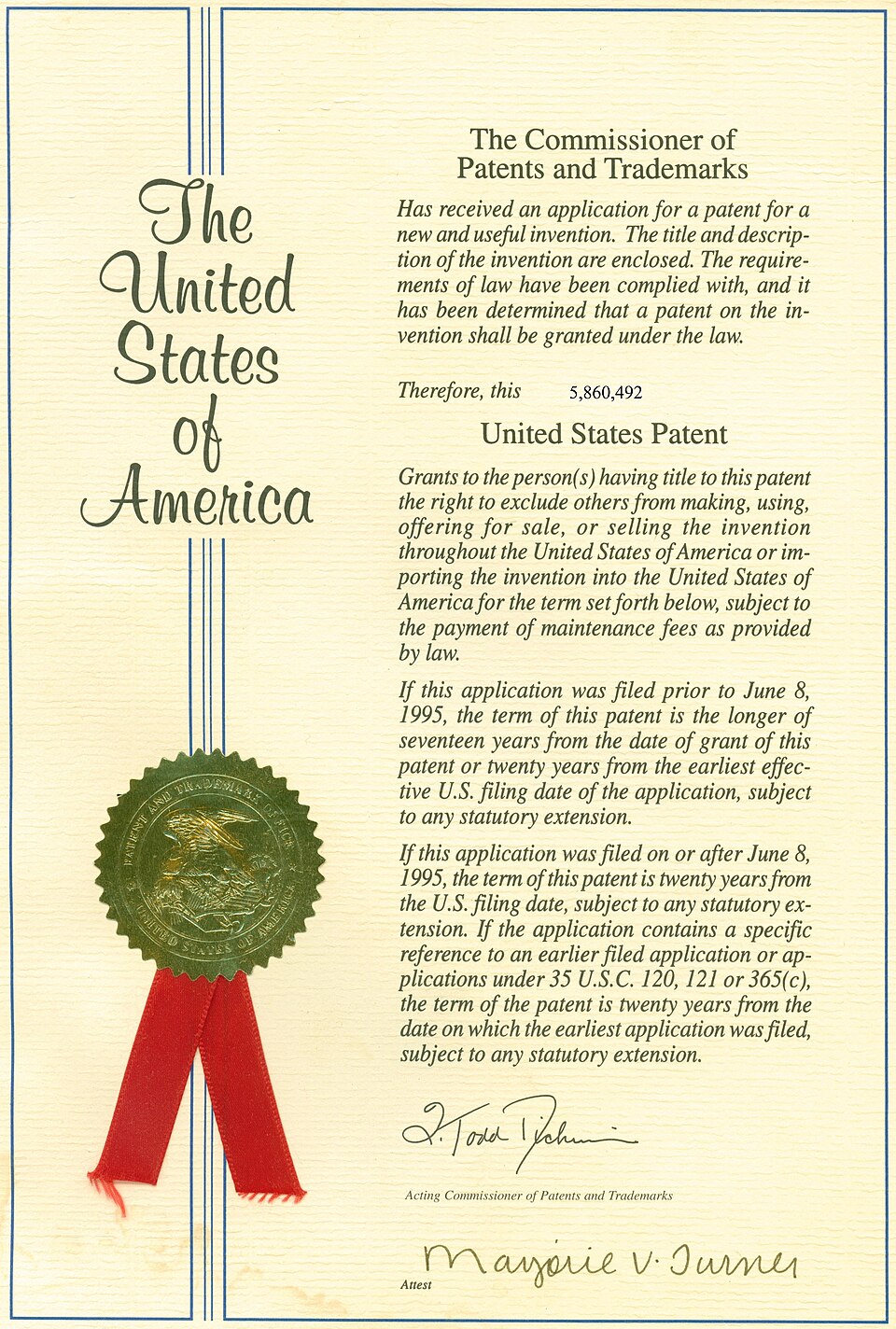
Why Is IP Without a Contract IP at Risk?
An intellectual property contract is a legal agreement governing the ownership, licensing, transfer, or protection of patents, trademarks, copyrights, and trade secrets. Innovation is the lifeblood of California's economy. From the technology corridors of Silicon Valley to the creative studios of Los Angeles, intellectual property drives business value in ways that physical assets rarely can. But intellectual property — whether it takes the form of a patented invention, a copyrighted work, a proprietary algorithm, or a trade secret formula — is fundamentally intangible. You cannot lock it in a vault. You cannot fence it off. The only reliable mechanism for defining who owns it, who can use it, and under what conditions is a well-drafted contract.
I have seen businesses lose control of their most valuable innovations not because someone stole them, but because the contracts governing those innovations were vague, incomplete, or never executed in the first place. The law provides a framework, but the contract is where the real protection lives.
What Is the Difference Between an IP Assignment and a License?
Every IP contract begins with a threshold question: are you transferring ownership, or are you granting permission to use? The distinction between an IP assignment and a license is the single most important concept in intellectual property contracting, and confusing the two can have irreversible consequences.
An assignment is a permanent transfer of ownership. When you assign a patent, copyright, or trademark to another party, you are giving up all rights in that property. The assignee becomes the owner and can use, license, sell, or enforce the IP as they see fit. Under the Copyright Act, 17 U.S.C. Section 101, an assignment of copyright must be in writing and signed by the owner to be valid. Oral assignments of copyright are legally unenforceable — a rule that has tripped up countless creators who assumed a handshake was sufficient.
A license, by contrast, is permission to use IP under defined conditions while ownership remains with the licensor. Licenses can be exclusive or non-exclusive, limited by territory, field of use, duration, or any combination of restrictions the parties negotiate. The licensor retains ownership and, depending on the terms, can grant additional licenses to other parties. Licensing is the engine of the modern IP economy, and its flexibility is both its greatest strength and its greatest source of disputes.
The Work-for-Hire Doctrine and Employee Inventions
One of the most frequently misunderstood areas of IP law concerns who owns work created by employees and independent contractors. Under the Copyright Act, a work created by an employee within the scope of employment is automatically a "work made for hire," and the employer owns the copyright from the moment of creation. No contract is needed to establish this ownership — it is the default rule.
But the analysis changes dramatically when independent contractors are involved. A work created by a contractor is only a work for hire if it falls within one of nine enumerated categories listed in 17 U.S.C. Section 101 and the parties have signed a written agreement designating it as such. If the work does not fit those categories — and most software, for example, does not — the contractor retains ownership regardless of who paid for the work. This is why every contractor agreement should include an explicit IP assignment clause, separate from any work-for-hire designation.
California adds another layer of complexity through Labor Code Section 2870, which limits an employer's ability to claim ownership of inventions created by employees on their own time, using their own resources, and unrelated to the employer's business. This provision is a direct response to the overreaching invention assignment agreements that were once common in the technology industry. Any contract provision that purports to assign employee inventions beyond the scope permitted by Section 2870 is unenforceable as a matter of California law.
How Do Nondisclosure Agreements Protect Trade Secrets?
Trade secrets occupy a unique position in intellectual property law. Unlike patents, copyrights, and trademarks, trade secrets have no registration system. Their protection depends entirely on the owner's efforts to maintain secrecy — and the primary tool for maintaining secrecy is the nondisclosure agreement.
An effective NDA must clearly identify the confidential information being protected, define the obligations of the receiving party, specify the duration of the confidentiality obligation, and carve out appropriate exceptions for information that becomes publicly available, is independently developed, or must be disclosed pursuant to legal process. Vague or overbroad NDAs are not only difficult to enforce but can actually undermine trade secret protection by creating the impression that the owner has not taken reasonable steps to identify and protect specific information.
Under the California Uniform Trade Secrets Act, codified in Civil Code Sections 3426 through 3426.11, a trade secret is defined as information that derives independent economic value from not being generally known and is subject to reasonable efforts to maintain its secrecy. The NDA is the most concrete evidence of those reasonable efforts. Without one, a trade secret misappropriation claim becomes significantly harder to prove.
California's Unique Rules on Employee Mobility and IP
California's approach to employee intellectual property rights is among the most employee-friendly in the nation. Beyond Section 2870's protections for employee inventions, California's prohibition on non-compete agreements under Business and Professions Code Section 16600 means that employers cannot prevent former employees from working for competitors or starting competing businesses. This policy reflects a deep commitment to labor mobility and innovation, but it places enormous pressure on the contract drafting process.
Because employers cannot rely on non-competes, they must structure their IP contracts to protect legitimate interests through narrower, more defensible mechanisms — properly scoped NDAs, carefully drafted invention assignment agreements, and clear definitions of what constitutes company intellectual property versus personal work product. The contracts must be precise enough to withstand judicial scrutiny in a state that will not hesitate to strike down provisions that overreach.
Practical Considerations for IP Contract Drafting
In my experience, the most common mistakes in IP contracting are not failures of legal strategy but failures of specificity. Parties sign agreements that use terms like "intellectual property" without defining them, that reference "all work product" without specifying what that includes, or that assume ownership has been transferred when the contract language only grants a license.
Every IP contract should answer five fundamental questions: What specific IP is covered? Is ownership being transferred or is a license being granted? What are the precise scope and limitations of the rights conveyed? What happens if the relationship ends? And who is responsible for enforcement against third-party infringers? If the contract does not answer these questions clearly, it is not protecting anyone.
The cost of drafting a clear, comprehensive IP agreement is a fraction of the cost of litigating a dispute over ambiguous terms. In a state where intellectual property drives billions of dollars in economic activity, getting the contract right is not just good practice — it is a business necessity.
Frequently Asked Questions
What should an intellectual property licensing agreement include?
An intellectual property licensing agreement should include clear definitions of the specific IP rights being licensed, the scope and limitations of the license, financial terms, and provisions addressing enforcement and termination. The agreement must precisely identify the intellectual property being licensed — patents, trademarks, copyrights, or trade secrets — including registration numbers and descriptions. The scope provisions should define whether the license is exclusive or non-exclusive, the geographic territory covered, the field of use limitations, and the duration of the license. Financial terms should specify the royalty structure — whether a percentage of revenue, a flat fee, minimum guarantees, or a combination — along with payment schedules, accounting requirements, and audit rights. Quality control provisions are essential in trademark licenses to maintain the validity of the mark under the Lanham Act. The agreement should address sublicensing rights, ownership of improvements or derivative works created under the license, confidentiality obligations, representations and warranties about the licensor’s ownership and the IP’s validity, indemnification for infringement claims, and detailed termination provisions including the disposition of licensed materials upon termination.
Can I assign my intellectual property rights through a contract in California?
Yes, intellectual property rights can be assigned through a contract in California, but the requirements vary by type of IP. Copyright assignments must be in writing and signed by the owner under 17 U.S.C. Section 204 — oral copyright assignments are not enforceable. Patent assignments must also be in writing under 35 U.S.C. Section 261, and should be recorded with the U.S. Patent and Trademark Office to provide constructive notice to third parties. Trademark assignments can be made orally but are best documented in writing, and critically, a trademark cannot be assigned apart from the goodwill of the business associated with the mark — a bare or in gross assignment may invalidate the trademark. Trade secret rights can be transferred through written agreements that identify the information and impose confidentiality obligations on the recipient. In California, employment agreements commonly address IP assignment, and Labor Code Section 2870 prohibits employers from requiring assignment of inventions developed entirely on the employee’s own time without using the employer’s resources, unless the invention relates to the employer’s business. A well-drafted assignment agreement should clearly identify the IP being transferred, include representations about ownership, and specify whether the assignment covers future related IP.
What happens if an intellectual property contract is breached?
When an intellectual property contract is breached in California, the non-breaching party has several remedies available that combine standard contract law principles with IP-specific protections. For breach of a licensing agreement, the licensor may terminate the license and sue for unpaid royalties, lost profits, and any damages caused by the licensee’s unauthorized use of the IP after termination. If the breach involves unauthorized use of intellectual property beyond the scope of the license, the licensor may also bring federal infringement claims — copyright infringement under 17 U.S.C. Section 501, patent infringement under 35 U.S.C. Section 271, or trademark infringement under the Lanham Act — which provide additional remedies including statutory damages, injunctive relief, and potentially attorney fees. Injunctive relief is particularly important in IP disputes because monetary damages alone may be insufficient to prevent ongoing harm from unauthorized use. The four-year statute of limitations for written contract claims under California CCP Section 337 applies to the contractual claims, while federal IP statutes have their own limitation periods. The choice between pursuing contract claims in state court or IP infringement claims in federal court has strategic implications.
References
California Labor Code Section 2870 (Employee Invention Assignments). California Legislature
Copyright Act, 17 U.S.C. Section 101 (Definitions, Work Made for Hire). Cornell Law Institute
California Civil Code Sections 3426–3426.11 (Uniform Trade Secrets Act). California Legislature
California Business and Professions Code Section 16600 (Non-Compete Prohibition). California Legislature