
General Civil Law
Additional areas of legal practice beyond the core specialties.
Additional Areas of Practice
Sasha also provides counsel in the following areas of General Civil Law to clients in Santa Cruz and throughout California.
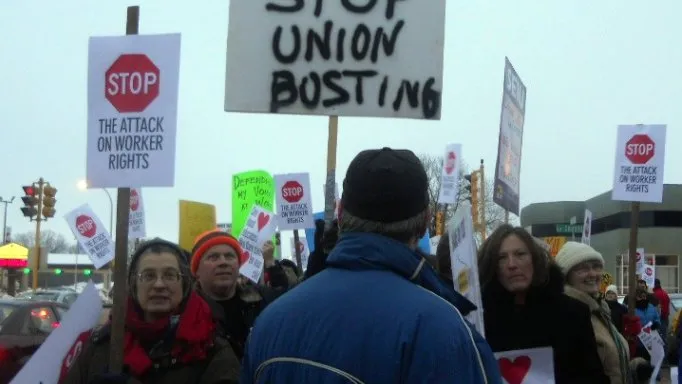
Labor and Employment
Counsel on employment disputes, workplace issues, and labor law compliance.
Learn More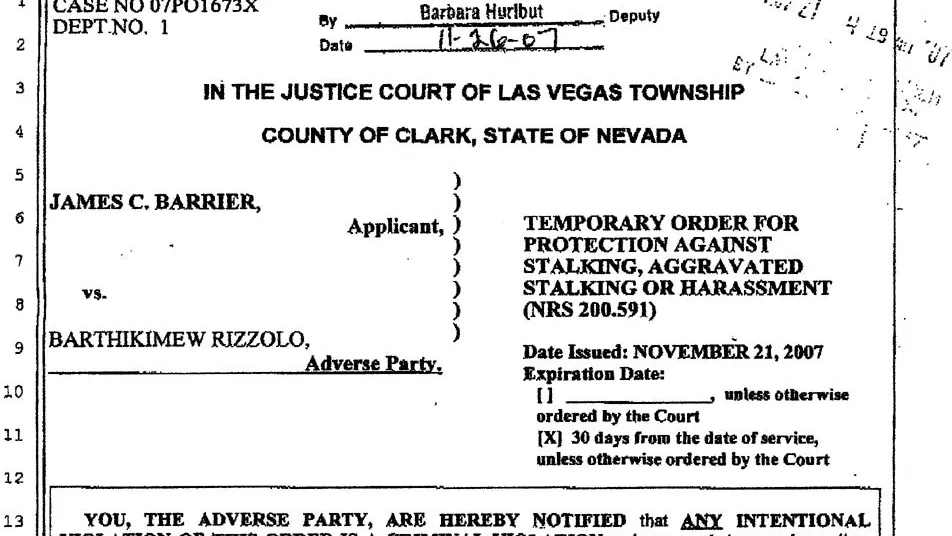
Injunctions and TROs
Temporary restraining orders and preliminary and permanent injunctions.
Learn More
Personal Injury
Representation in personal injury matters and related litigation, including automobile accidents, slip and fall injuries, and negligence cases.
Learn More
Landlord/Tenant
Disputes, evictions, lease agreements, and tenant rights matters in Santa Cruz County's competitive rental market.
Learn More
Fraud/Misrepresentation
Claims involving fraud, misrepresentation, and deceptive business practices.
Learn More
Probate Matters
Estate and probate-related legal counsel and dispute resolution.
Learn More
Family Disputes
Legal counsel for family-related disputes and matters.
Learn More
Invasion of Privacy / Slander / Defamation
Claims involving invasion of privacy, slander, libel, and defamation.
Learn MoreWhat Each Area Covers
These matters fall outside the six core practice areas but come up often for individuals, families, and small businesses. Each summary links to the service page and to a longer guide on the California law involved.
Labor and Employment
Employment matters include wrongful termination, unpaid wages and overtime, misclassification, and discrimination or harassment claims. California employment is presumed at-will under Labor Code section 2922, but a firing can still be unlawful if it violates a contract, public policy, or the Fair Employment and Housing Act. Guide: Elements of Wrongful Termination in California.
Injunctions and Restraining Orders
When money damages would come too late, a party can ask the court to order someone to stop, or to start, doing something. Temporary restraining orders and injunctions are governed largely by Code of Civil Procedure section 527, and the court weighs the likelihood of success against the harm each side would suffer. Guide: California Injunctions and TROs.
Personal Injury
Personal injury work covers automobile accidents, slip and fall injuries on someone else's property, and other negligence claims. Most California injury suits must be filed within two years (Code of Civil Procedure section 335.1). A claim against a city, county, or other public entity generally must be presented within six months (Government Code section 911.2). Related pages cover insurance disputes and damages. Guides: California Personal Injury Claims, California Car Accident Claims, Elements of Premises Liability, How to Prove Negligence, California Insurance Disputes.
Landlord and Tenant
Landlord-tenant matters include lease disputes, security deposit claims under Civil Code section 1950.5, habitability problems, and unlawful detainer (eviction) cases. Many California rentals are also covered by the just-cause and rent-cap rules of the Tenant Protection Act (Civil Code sections 1946.2 and 1947.12). Guide: California Landlord-Tenant Disputes.
Fraud and Misrepresentation
Fraud claims arise when someone makes a false statement or conceals a material fact to induce a deal, and the other party relies on it and is harmed. The deadline is generally three years, measured from discovery of the fraud (Code of Civil Procedure section 338(d)). Guides: Fraudulent Misrepresentation Elements, Elements of Conversion.
Probate
Probate matters include administering an estate through the superior court, disputes over the validity of a will or trust, and claims that an executor or trustee has mismanaged assets. Guide: California Probate Guide.
Family Disputes
Family dispute work focuses on property and financial conflicts between relatives, including how assets are characterized and divided in a separation and disagreements over a shared home or the care of a family member. Guide: California Family Legal Disputes.
Defamation and Privacy
Defamation is a false statement of fact that harms someone's reputation, written (libel, Civil Code section 45) or spoken (slander, section 46). The deadline to sue is generally one year. Defamation suits about speech on public issues often face an early anti-SLAPP motion under Code of Civil Procedure section 425.16. Guides: Elements of Defamation in California, Elements of IIED.
Before You Call
Deadlines in these areas can be short, so note the date of the event and the date you received any notice, demand, or court papers. Gather the documents that tell the story, such as a lease, an employment agreement, photographs, medical bills, or the statement you believe is false. Then contact Brodsky Law to discuss the matter.
This page provides general information about California law. It is not legal advice for your situation.