
After the Crash: What California Law Says About Your Rights Following an Automobile Accident
Car accidents happen in an instant, but their legal consequences can last for years. Understanding California’s fault-based system and your rights as an injured party is the first step toward recovery.
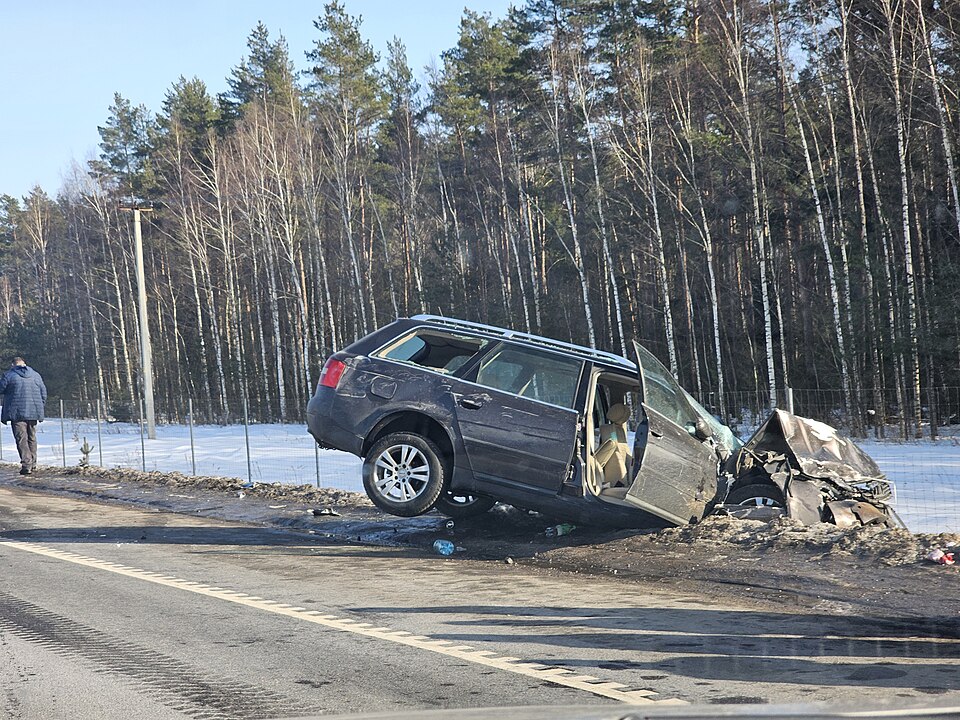
How Is Fault Determined in a California Car Accident?
An automobile accident claim is a legal action seeking compensation when a driver's negligence causes a collision resulting in injury or property damage. California operates under a fault-based system for automobile accidents, which means the person who caused the collision is financially responsible for the resulting injuries and property damage. This principle is rooted in Civil Code Section 1714, which establishes that everyone is responsible for injuries caused by their want of ordinary care or skill in the management of their property or person. In practical terms, if another driver ran a red light and struck your vehicle, that driver — and their insurance company — bears legal responsibility for your losses.
Unlike no-fault states where each driver’s own insurance covers their injuries regardless of who caused the accident, California’s system requires the injured party to establish that the other driver was negligent. This can seem burdensome, but it also means that injured parties in California can pursue the full range of damages, including compensation for pain and suffering, which is often unavailable or limited in no-fault jurisdictions. I have represented clients who recovered significantly more under California’s fault-based system than they would have in a no-fault state, precisely because the law allows a full accounting of the harm they suffered.
The Statute of Limitations: Two Years and Counting
Time is not your ally after an automobile accident. Under Code of Civil Procedure Section 335.1, you have two years from the date of the injury to file a personal injury lawsuit. For property damage claims, CCP Section 338 provides a three-year window. These deadlines are absolute. Miss them, and the court will almost certainly dismiss your case, regardless of how strong your evidence might be.
There are narrow exceptions. If the injured party is a minor, the statute of limitations is tolled until they reach the age of eighteen. If the at-fault driver fled the scene and their identity was not immediately known, the clock may not begin running until the defendant is identified. But these exceptions are exactly that — exceptions. I have seen potential clients walk through my door with compelling cases that were already time-barred because they waited too long to seek legal advice. The safest course is to consult an attorney as soon as possible after the accident, even if you believe your injuries are minor. Injuries that appear insignificant in the first weeks often reveal their true severity months later.
Pure Comparative Negligence: Your Share of Fault
One of the most important principles in California accident law is the doctrine of pure comparative negligence, established by the California Supreme Court in Li v. Yellow Cab Co. (1975) 13 Cal.3d 804. Under this doctrine, your recovery is reduced by your percentage of fault, but you are never completely barred from recovering damages — even if you were primarily responsible for the accident.
Consider a scenario where you are found to be 30 percent at fault for an accident because you were exceeding the speed limit, while the other driver is 70 percent at fault for running a stop sign. If your total damages are $100,000, you would recover $70,000 — your damages reduced by your 30 percent share of responsibility. Even if a jury found you 90 percent at fault, you could still recover 10 percent of your damages. This is a more generous standard than the modified comparative negligence rules used in many other states, where being 50 or 51 percent at fault bars recovery entirely.
Insurance companies understand this doctrine well and routinely attempt to assign as much fault as possible to the injured party. Every statement you make, every piece of evidence they gather, is evaluated through the lens of reducing their payout by increasing your share of blame. This is one of the primary reasons I advise clients not to give recorded statements to the other driver’s insurer without legal counsel present.
What Should You Do After a Car Accident in California?
The actions you take in the minutes and hours after a collision can determine the outcome of your case months or years later. California Vehicle Code Section 20008 requires you to report any accident involving injury or death to the California Highway Patrol or local police department. Beyond this legal obligation, a police report creates an official record of the accident that can be invaluable in establishing fault.
If you are physically able, document the scene. Photograph vehicle damage, skid marks, traffic signals, road conditions, and any visible injuries. Exchange insurance and contact information with the other driver. Obtain the names and phone numbers of witnesses. Seek medical attention promptly, even if you feel fine — adrenaline masks pain, and many soft tissue injuries do not manifest symptoms for days. The gap between the accident and your first medical visit is something insurance adjusters will exploit to argue that your injuries were not caused by the collision or were not serious.
What Insurance Coverage Do You Need After a California Car Accident?
California’s Insurance Code imposes obligations on insurance companies to handle claims in good faith. Under Insurance Code Section 790.03, insurers are prohibited from engaging in unfair claims settlement practices, including misrepresenting policy provisions, failing to acknowledge communications, and not attempting in good faith to effectuate prompt and fair settlements when liability is reasonably clear.
Despite these statutory protections, the reality is that insurance companies are businesses with a financial incentive to minimize payouts. The adjuster who calls you within days of the accident, expressing concern and offering a quick settlement, is not your advocate. Early settlement offers are almost always far below the true value of a claim, particularly when the full extent of injuries has not yet been determined. I have seen adjusters offer $5,000 for injuries that ultimately required $50,000 or more in medical treatment. Once you accept a settlement and sign a release, you cannot reopen the claim — even if your condition worsens dramatically.
Types of Recoverable Damages
California law recognizes three broad categories of damages in automobile accident cases. Economic damages are the quantifiable financial losses: medical bills, lost wages, property repair or replacement costs, and future medical expenses. These damages can be calculated with reasonable precision based on bills, pay stubs, and medical testimony.
Non-economic damages compensate for losses that are real but harder to measure: physical pain, emotional distress, loss of enjoyment of life, and the impact of a disability on your daily activities and relationships. California does not cap non-economic damages in personal injury cases arising from automobile accidents, unlike medical malpractice cases where Civil Code Section 3333.2 imposes a limit. This means a jury has broad discretion to award compensation that reflects the true human cost of the injuries.
Punitive damages are available in rare cases where the at-fault driver’s conduct was particularly egregious — for example, driving under the influence of alcohol or engaging in road rage. Under Civil Code Section 3294, punitive damages require proof by clear and convincing evidence that the defendant acted with malice, oppression, or fraud. While these awards are uncommon, they serve an important deterrent function and can substantially increase the total recovery in cases involving reckless or intentional misconduct.
When to Hire an Attorney
Not every automobile accident requires legal representation. If the damage is minor, liability is clear, and the insurance company is offering fair compensation, you may be able to resolve the claim on your own. But there are situations where attempting to handle a claim without counsel puts you at a significant disadvantage.
If you suffered serious injuries, if the other driver’s insurance company is disputing liability, if multiple vehicles or parties are involved, or if the insurer’s settlement offer does not cover your actual losses, you should consult an attorney who handles personal injury cases. An experienced attorney understands how to value a claim properly, how to negotiate with insurers who are trained to minimize payouts, and how to present a case to a jury if settlement negotiations fail. Most personal injury attorneys in California work on a contingency fee basis, meaning you pay nothing unless and until you recover compensation — which removes the financial barrier to obtaining qualified legal help when you need it most.
Frequently Asked Questions About Car Accidents
What should I do immediately after a car accident in California?
Immediately after a car accident in California, your priority should be safety, documentation, and legal compliance. First, check for injuries and call 911 if anyone is hurt — California law requires you to stop at the scene and render reasonable aid. Move vehicles out of traffic if it is safe to do so. Exchange information with all other drivers including names, license numbers, insurance details, and vehicle registration. Document the scene thoroughly by taking photographs of vehicle damage, road conditions, traffic signals, skid marks, and any visible injuries. Obtain contact information from witnesses. File a police report, which can be critical evidence later. Seek medical attention even if you feel fine, as many injuries such as whiplash or internal bleeding may not be immediately apparent. Report the accident to your insurance company promptly, but avoid giving recorded statements or admitting fault before consulting an attorney. California Vehicle Code Section 20008 requires a written report within 24 hours for accidents involving injury or death.
How long do I have to file a car accident claim in California?
In California, you generally have two years from the date of a car accident to file a personal injury lawsuit under Code of Civil Procedure Section 335.1. For property damage claims, you have three years under Section 338. If the accident involved a government vehicle or occurred on government property, you must file an administrative tort claim within six months under Government Code Section 911.2 — failure to meet this deadline typically bars any subsequent lawsuit. The statute of limitations may be tolled in certain circumstances, such as when the injured party is a minor or when the at-fault driver leaves the state. However, waiting to file is risky because evidence degrades over time, witnesses become harder to locate, and memories fade. Insurance companies also tend to view delayed claims with suspicion. The best practice is to consult with a personal injury attorney as soon as possible after the accident to protect your rights and begin building your case.
Can I recover damages if I was partially at fault for the car accident?
Yes, California's pure comparative negligence system allows you to recover damages even if you were partially or even mostly at fault for the car accident. Your recovery is reduced by your percentage of fault but never completely eliminated. For instance, if you were found 30 percent at fault because you were slightly exceeding the speed limit when another driver ran a red light, and your total damages were $100,000, you would still recover $70,000. Even at 90 percent fault, you could recover 10 percent of your damages. This system, established by the California Supreme Court in Li v. Yellow Cab Co. (1975), ensures that fault is allocated proportionally rather than using an all-or-nothing approach. Defense attorneys and insurance adjusters will aggressively try to shift blame onto you to minimize their payout, which is why documenting the accident scene, obtaining witness statements, and preserving all evidence from the moment of the collision is so important.
References
California Code of Civil Procedure Section 335.1 (Statute of Limitations — Personal Injury). California Legislature
California Civil Code Section 1714 (General Duty of Care). California Legislature
California Vehicle Code Section 20008 (Accident Reporting). California Legislature
California Insurance Code Section 790.03 (Unfair Claims Practices). California Legislature
California Civil Code Section 3294 (Punitive Damages). California Legislature