
Navigating Probate in California: What Executors and Heirs Should Expect
The probate process can be daunting for families dealing with loss. Understanding California's probate system helps executors fulfill their duties and heirs protect their interests — and knowing the alternatives can save significant time and expense.
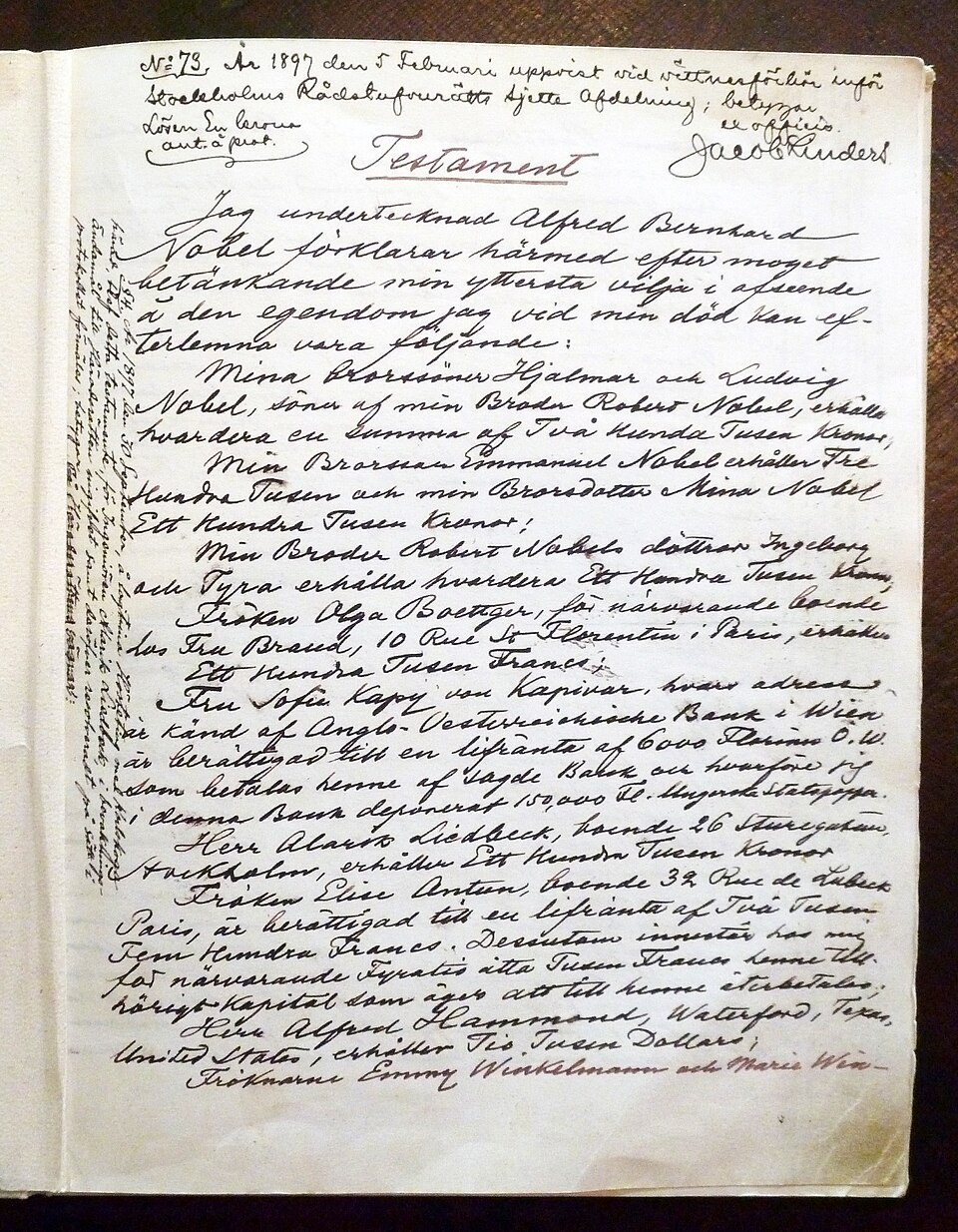
What Is the Probate Process in California?
Probate is the court-supervised legal process of administering a deceased person's estate, including validating the will, identifying assets, paying debts, and distributing property to beneficiaries. Probate is the court-supervised process of administering a deceased person's estate. In California, it is governed by the Probate Code, beginning at Section 7000, and the process unfolds in the superior court of the county where the decedent resided at the time of death. Not every estate must pass through probate, but the circumstances that trigger it are broader than most people realize.
Probate is generally required when the decedent owned assets in their individual name — without a trust, joint tenancy, beneficiary designation, or other transfer mechanism — and the total value of those assets exceeds $184,500. This threshold applies to the gross value of the estate, not the net value after debts. A home with a large mortgage, for example, may still trigger probate based on its fair market value, even though the owner's equity is modest. Assets held in a living trust, jointly titled property, life insurance with named beneficiaries, and retirement accounts with designated beneficiaries all pass outside probate.
The Small Estate Alternative
California provides a streamlined procedure for estates that fall below the $184,500 threshold. Under Probate Code Sections 13100 through 13116, an heir can collect personal property by presenting a small estate affidavit to the institution holding the assets. The affidavit can be used forty days after the decedent's death, and it avoids the need for any court proceeding. For real property valued under the same threshold, a simplified petition under Probate Code Section 13150 allows transfer without full probate administration.
These small estate procedures are enormously valuable when they apply. They save months of court time and thousands of dollars in legal fees. But they require careful attention to the statutory requirements, and errors in the affidavit or petition can result in personal liability for the person claiming the assets. I have seen families attempt to use the small estate procedure when the estate actually exceeded the threshold, creating complications that proved far more expensive than the probate they were trying to avoid.
Filing the Petition and Appointing a Personal Representative
Formal probate begins when an interested party files a petition with the superior court. If the decedent left a valid will, the petition requests that the will be admitted to probate and that the person named as executor be appointed as personal representative. If there is no will, the petition asks the court to appoint an administrator, typically the surviving spouse or closest relative, to manage the estate under the laws of intestate succession.
The court holds a hearing on the petition, typically four to six weeks after filing. Notice must be provided to all known heirs and beneficiaries, and a general notice must be published in a local newspaper to alert potential creditors. Once the court appoints the personal representative and issues letters testamentary or letters of administration, the representative has legal authority to act on behalf of the estate — accessing bank accounts, managing property, and conducting the business of winding down the decedent's affairs.
Independent Administration of Estates Act
One of the most important procedural tools available to California personal representatives is the Independent Administration of Estates Act, codified at Probate Code Section 10400. Under IAEA authority, the personal representative can take most actions — selling real property, paying debts, distributing assets — without obtaining prior court approval for each transaction. Instead, the representative provides notice to interested parties, who then have the opportunity to object before the action is completed.
IAEA authority significantly reduces the time and cost of probate administration. Without it, the personal representative must petition the court and obtain a separate order for virtually every significant decision, each requiring its own hearing and legal fees. I recommend requesting full IAEA authority in every probate petition where the circumstances allow it. The rare cases where it is inappropriate usually involve disputes among beneficiaries or concerns about the personal representative's judgment.
Executor Duties and the Administration Timeline
The personal representative's duties are extensive and carry personal liability if performed negligently. The representative must locate and secure all estate assets, obtain a professional appraisal through the probate referee system, notify all known and reasonably ascertainable creditors, file tax returns for the decedent and the estate, pay valid debts and expenses of administration, and ultimately distribute the remaining assets to the beneficiaries entitled to receive them.
Creditors have four months from the date the representative is appointed to file claims against the estate. The representative must evaluate each claim and either allow it or reject it. Rejected claims may be pursued by the creditor through litigation. This creditor period is one of the primary reasons probate takes as long as it does — the estate cannot be closed until the claims period expires and all valid debts are resolved.
A straightforward probate in California typically takes twelve to eighteen months from petition filing to final distribution. Complex estates involving business interests, real property in multiple counties, tax disputes, or litigation among beneficiaries can extend well beyond two years. Statutory fees for attorneys and personal representatives are set by Probate Code Section 10810 and are calculated as a percentage of the estate's gross value — four percent of the first $100,000, three percent of the next $100,000, two percent of the next $800,000, and decreasing percentages thereafter.
Can You Contest a Will in California?
Will contests are filed under Probate Code Section 8200 and must be brought within 120 days of the will being admitted to probate. Grounds for contesting a will include lack of testamentary capacity, undue influence by a person who stood to benefit, fraud or forgery, improper execution under the statutory requirements, and revocation by a subsequent will or codicil. Will contests are emotionally charged proceedings that often divide families, and they require substantial evidence to succeed.
Undue influence is the most commonly alleged ground. California law presumes undue influence when a person in a confidential relationship with the decedent was active in procuring the will and unduly benefited from its terms. The burden then shifts to the proponent of the will to demonstrate that the document reflects the decedent's free and independent wishes. These cases often turn on testimony about the decedent's mental state, the nature of the relationship with the alleged influencer, and the circumstances surrounding the will's execution.
How Can You Avoid Probate in California?
The most effective way to avoid probate entirely is through a properly funded revocable living trust. Assets titled in the name of the trust pass to beneficiaries according to the trust's terms, without court supervision, publication of notice, or the delays inherent in probate administration. Trust administration is private, typically faster, and generally less expensive than probate.
But a trust only avoids probate for assets that have actually been transferred into it. I have encountered numerous situations where a decedent created a trust but failed to re-title their home, bank accounts, or investment portfolios into the trust's name. When that happens, the untitled assets must pass through probate anyway, defeating the purpose of the planning. Proper trust funding is not a one-time event — it requires ongoing attention as new assets are acquired throughout the settlor's lifetime.
Frequently Asked Questions
How long does probate take in California?
Probate in California typically takes a minimum of nine months to one year for simple estates, and can extend to two years or longer for complex or contested estates. The timeline begins when the petition for probate is filed with the superior court in the county where the decedent resided. California law requires a minimum four-month creditor claim period under Probate Code Section 9100, during which creditors may file claims against the estate — the court cannot close the estate until this period expires. The initial hearing on the petition is typically set four to six weeks after filing, and notice must be published and served on interested parties. After appointment, the personal representative must inventory and appraise estate assets, notify creditors, manage estate property, file tax returns, pay valid debts and expenses, and ultimately petition the court for final distribution. Contested matters — such as will contests, disputes among beneficiaries, creditor claim challenges, or questions about the personal representative's management — can significantly extend the timeline. Complex assets such as real property, business interests, or assets in multiple jurisdictions add additional time for valuation and administration. The personal representative's statutory compensation is based on the estate's value under Probate Code Section 10800.
Can I contest a will in California?
Yes, you can contest a will in California, but you must have legal standing and valid grounds to do so. Under Probate Code Section 8200, a will contest must be filed within 120 days after the will is admitted to probate. Standing to contest is limited to interested parties — those who would benefit if the will were invalidated, typically heirs who would inherit under a prior will or through intestate succession. Valid grounds for contesting a will include lack of testamentary capacity, meaning the testator did not understand the nature of their property, their relationship to natural heirs, or the legal effect of signing the will at the time it was executed. Undue influence occurs when someone in a position of trust or authority exerted pressure that overcame the testator's free will, causing them to make provisions they would not otherwise have made. Fraud involves deliberate deception that induced the testator to create or modify the will. Improper execution means the will was not signed and witnessed in compliance with California Probate Code Section 6110. No-contest clauses, which disinherit beneficiaries who challenge the will, are enforceable in California under Probate Code Section 21311 only when the contest is brought without probable cause.
What is the small estate threshold for avoiding probate in California?
In California, estates valued at $184,500 or less in total gross assets may qualify for simplified transfer procedures that avoid formal probate entirely. Under Probate Code Section 13100, successors to an estate that does not exceed the small estate threshold may use a small estate affidavit to claim personal property — such as bank accounts, vehicles, and personal belongings — by presenting a signed declaration to the entity holding the property at least 40 days after the decedent's death. For real property in small estates, a simplified petition under Probate Code Section 13150 allows transfer through a streamlined court proceeding that is faster and less expensive than full probate. It is important to note that the $184,500 threshold applies to the gross value of probate assets only — it excludes assets that pass outside of probate such as jointly held property, assets in living trusts, life insurance proceeds payable to named beneficiaries, retirement accounts with designated beneficiaries, and payable-on-death bank accounts. The threshold amount is adjusted periodically by the Judicial Council. Planning ahead with a living trust, beneficiary designations, and joint ownership arrangements can help families avoid probate entirely regardless of estate size.
References
California Probate Code Section 7000 et seq. (Probate Administration). California Legislature
California Probate Code Sections 13100-13116 (Small Estate Affidavit). California Legislature
California Probate Code Section 10400 (Independent Administration of Estates Act). California Legislature